Tag: tile exporter

PORCELAIN STONEWARE

Porcelain Stoneware

If you’re planning a renovation, building from scratch, or just want to refresh your interior, you’ve probably come across the term Porcelain Stoneware. But what is it exactly, and why is it so popular in both homes and commercial spaces? In this post, we’ll break down everything you need to know about Porcelain Stoneware, from how it’s made to where it works best and whether it’s the right choice for your project.

What Is Porcelain Stoneware?

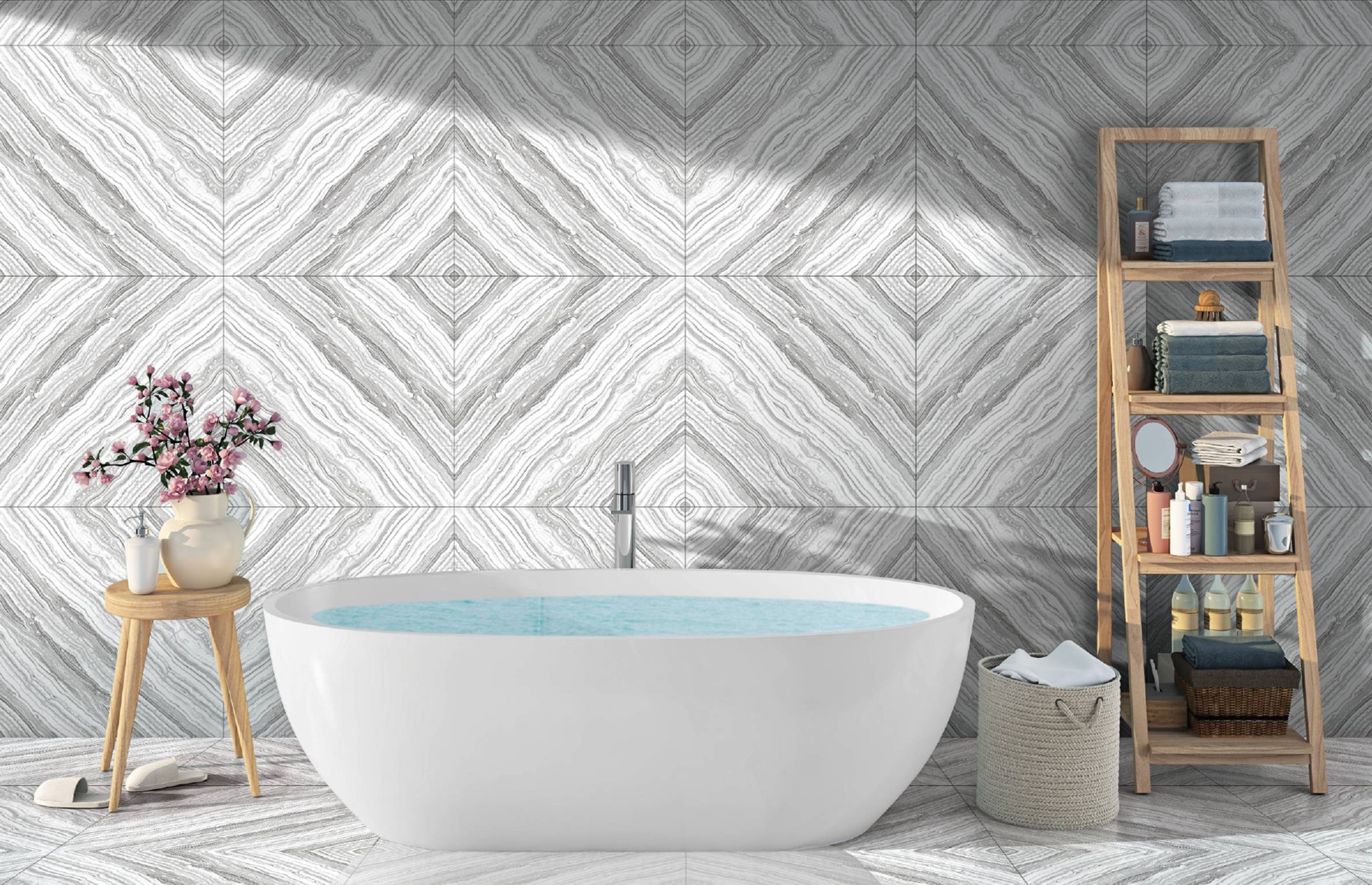
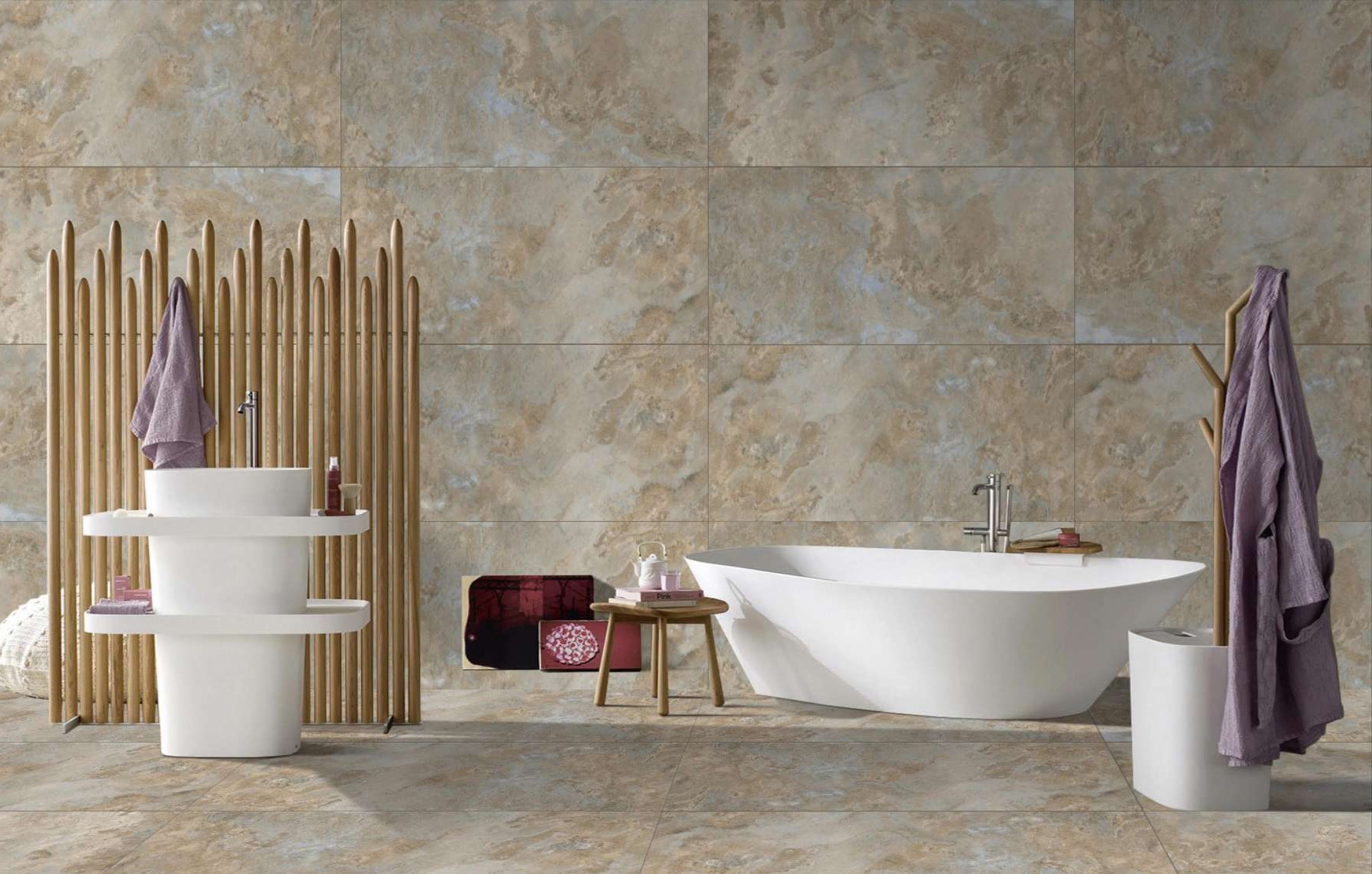
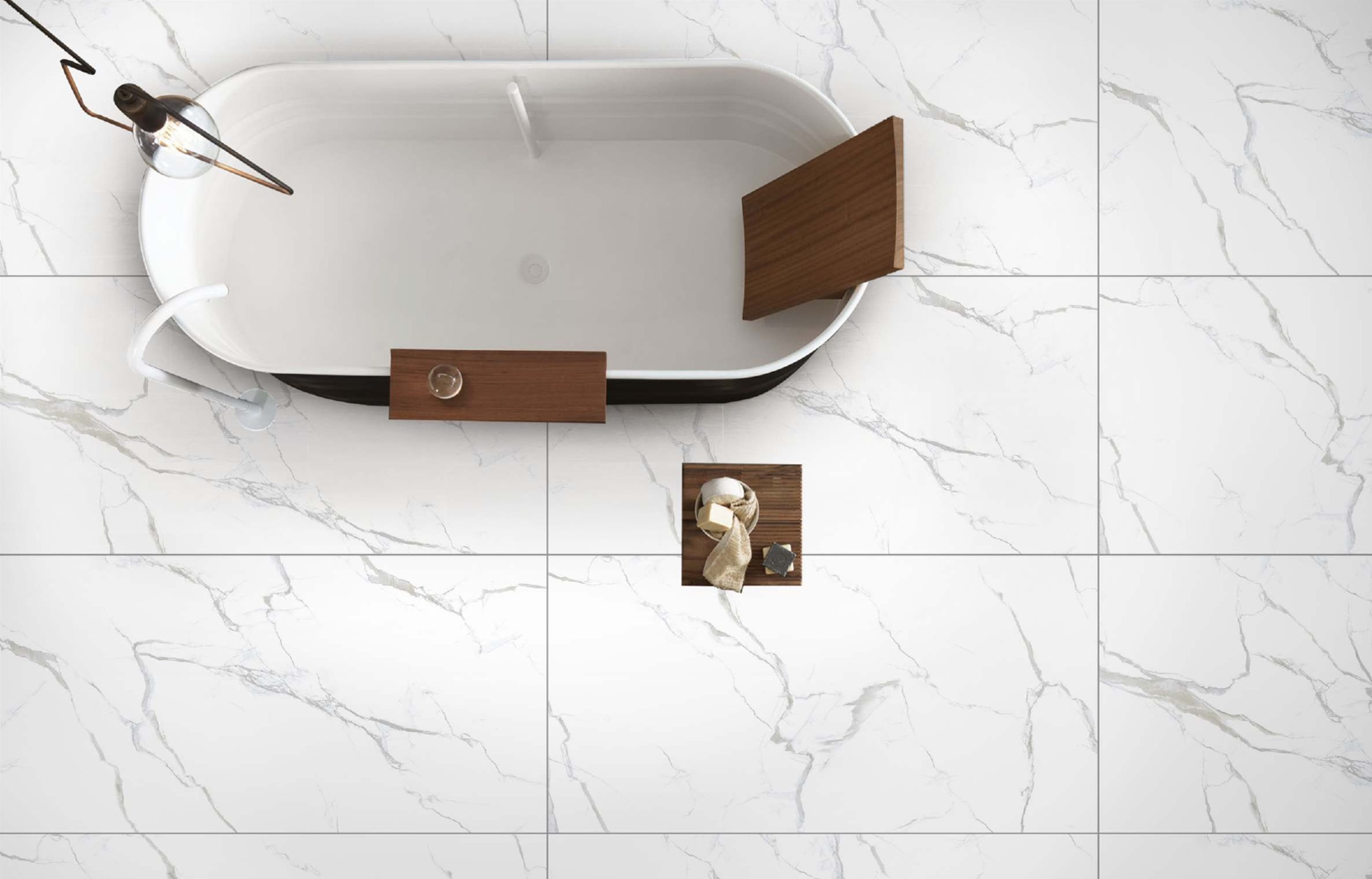
Porcelain Stoneware is a type of ceramic tile known for its strength, durability, and low porosity. Unlike traditional ceramic tiles, it’s fired at extremely high temperatures, making it dense and resistant to moisture, stains, and scratches. It’s often designed to mimic natural materials like stone, marble, or wood—offering the look you love with far less maintenance.

Why Choose Porcelain Stoneware for Your Home or Business?

There are many reasons why Porcelain Stoneware is a favorite among architects, interior designers, and homeowners. It’s incredibly tough, making it ideal for high-traffic areas. It resists water and wear, meaning it’s just as suitable for bathrooms and kitchens as it is for lobbies and office spaces. Plus, with its wide variety of styles, colors, and finishes, it suits nearly any design aesthetic—from rustic to ultra-modern.

How Porcelain Stoneware Is Made: From Raw Materials to Tiles

The production of Porcelain Stoneware starts with fine natural clay mixed with minerals like feldspar and quartz. This mixture is pressed under high pressure and then fired at temperatures exceeding 1200°C. This process results in a tile that’s dense, hard, and virtually impervious to water. The surface may then be glazed, polished, or left matte, depending on the desired finish.

The Versatility of Porcelain Stoneware in Modern Design

One of the standout features of Porcelain Stoneware is its versatility. It can mimic wood, stone, concrete, or even metal, offering designers a way to achieve luxurious looks without the cost or upkeep. Whether you’re designing a cozy Scandinavian-style bathroom or an industrial-chic loft, there’s a Porcelain Stoneware tile to match your vision.

PORCELAIN STONEWARE

PORCELAIN STONEWARE
PORCELAIN STONEWARE

Where Can You Use Porcelain Stoneware?

Thanks to its durability and aesthetic flexibility, Porcelain Stoneware can be used in almost any setting:

  • Indoors: floors, walls, countertops, and backsplashes
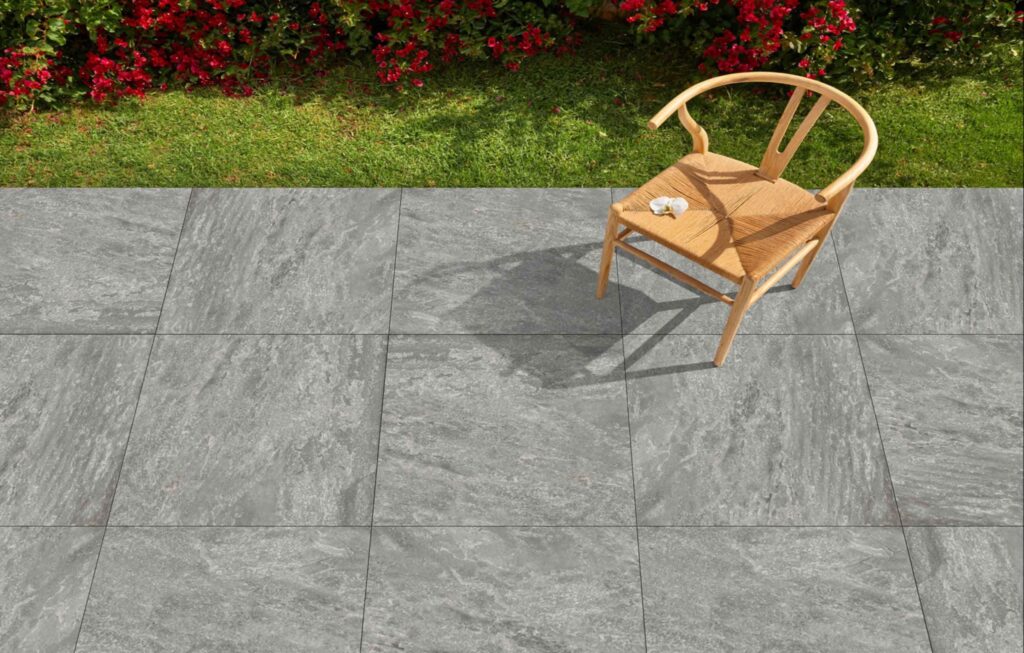
  • Outdoors: patios, terraces, and pool areas
  • Commercial Spaces: restaurants, hotels, retail shops, and offices
    Its resistance to moisture and wear makes it especially popular in kitchens, bathrooms, and entryways.
Porcelain Stoneware vs. Ceramic Tile: What’s the Difference?

While Porcelain Stoneware is technically a type of ceramic, it’s much denser and more durable than standard ceramic tile. It’s fired at higher temperatures and absorbs far less water, making it ideal for areas exposed to moisture or heavy use. If you need a tile that can withstand years of wear and tear, Porcelain Stoneware is the better choice.

How to Clean and Maintain Porcelain Stoneware for Long-Term Beauty

One of the biggest perks of Porcelain Stoneware is its low maintenance. For regular cleaning, warm water and a mild detergent are usually enough. For polished or glazed finishes, avoid abrasive cleaners that could dull the surface. Since it resists stains and doesn’t require sealing, Porcelain Stoneware stays looking fresh with minimal effort.

Top Interior Design Trends Featuring Porcelain Stoneware

Today’s interior trends heavily feature Porcelain Stoneware in exciting ways:

  • Large-format tiles that minimize grout lines for a seamless look
  • Stone-look finishes that mimic marble, slate, or travertine
  • Wood-look planks for warm, rustic charm with the durability of stone
  • Matte black and textured surfaces in minimalist or industrial spaces
    This material lets homeowners embrace bold styles without sacrificing practicality.
Is Porcelain Stoneware a Sustainable Choice?

Yes—Porcelain Stoneware can be a sustainable option. Many manufacturers use recycled materials in production and the long lifespan of these tiles reduces the need for replacements. Additionally, their thermal mass can help regulate indoor temperatures, potentially lowering energy use. When paired with responsible sourcing, Porcelain Stoneware is a smart choice for eco-conscious building.

How Much Does Porcelain Stoneware Cost? Is It Worth It?

The cost of Porcelain Stoneware can range from affordable to high-end, depending on the size, finish, and brand. While it may cost more upfront than basic ceramic tiles, its longevity and low maintenance make it a cost-effective solution in the long run. In commercial or high-traffic spaces, the investment pays off through fewer repairs and replacements.

Is Porcelain Stoneware Right for You?

If you’re looking for a durable, stylish, and versatile material for your floors, walls, or outdoor spaces, Porcelain Stoneware could be the perfect fit. It offers a blend of performance and aesthetics that few materials can match. Whether you’re renovating a bathroom or designing a modern open-plan kitchen, Porcelain Stoneware delivers on both form and function.

Final Thoughts

Porcelain Stoneware isn’t just a trend—it’s a smart, stylish, and sustainable choice for homes and businesses alike. With its endless design options and hard-wearing properties, it’s no wonder it remains a favorite in both residential and commercial design.

POLLUX PORCELANO COMPANY, a reliable Porcelain Stoneware exporter, provides a premium selection of  Porcelain Stoneware that are designed to add style and longevity to any project. We have the ideal tile to fit your style and endure throughout time, whether you choose striking finishes or simplistic designs.
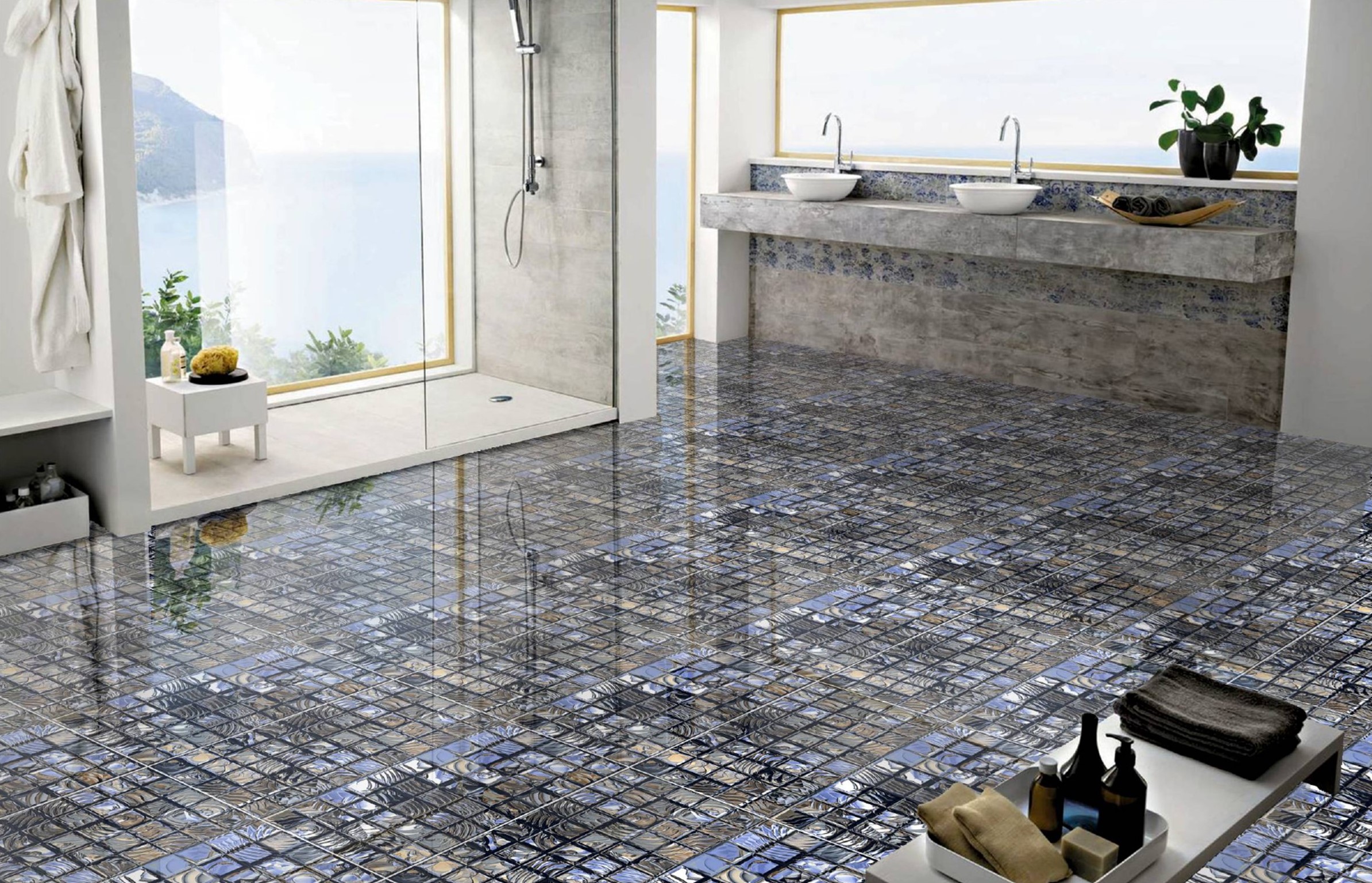
Bathroom Tile: Transform Your Space with Style and Function

Introduction

Imagine stepping into a bathroom where the tiles are a mismatched mishmash of colors, sizes, and textures, creating a chaotic visual cacophony. Now, picture yourself in another bathroom where the tiles are carefully selected, perfectly aligned, and harmoniously complementing the overall design. Which one would you prefer?

Here’s an intriguing statistic: According to a study conducted by the National Association of Home Builders, bathroom renovations consistently rank among the top interior remodeling projects undertaken by homeowners. And at the heart of these renovations lies a crucial element: the humble bathroom tile.

The Evolution of Bathroom Tiles

Ancient Civilizations

  1. Mesopotamia (c. 3000 BCE)

    • Materials: Early tiles were made of clay and were used mainly for decorative purposes.
    • Technique: Tiles were hand-shaped and sun-dried or fired in kilns.
  2. Ancient Egypt (c. 2000 BCE)

    • Materials: Glazed bricks and faience, a type of glazed ceramic.
    • Technique: Egyptians used tiles in both functional and decorative contexts, often in temples and royal palaces.
  3. Minoan Civilization (c. 2000-1500 BCE)

    • Materials: Stone and ceramic tiles.
    • Technique: Intricate patterns and motifs, including marine life and religious symbols, were common. The Palace of Knossos is a prime example.
  4. Ancient Greece (c. 800-300 BCE)

    • Materials: Terracotta tiles.
    • Technique: Greeks advanced tile-making techniques, using them in baths and on roofs.
  5. Ancient Rome (c. 500 BCE-500 CE)

    • Materials: Terracotta, marble, and mosaic tiles.
    • Technique: Romans extensively used tiles in their sophisticated public bath systems (thermae) and private homes. Mosaics with intricate designs were popular.

Middle Ages

  1. Islamic Golden Age (8th-14th centuries)

    • Materials: Glazed ceramic tiles.
    • Technique: Islamic artisans perfected tile glazing techniques, creating intricate geometric and floral patterns. The use of tiles in bathhouses (hammams) was common.
  2. Medieval Europe (5th-15th centuries)

    • Materials: Limited use of tiles, mostly stone and unglazed terracotta.
    • Technique: Tiles were less common in Europe during this period, with stone and wood being predominant in constructions.

Renaissance to 19th Century

  1. Renaissance (14th-17th centuries)

    • Materials: Encaustic tiles (clay tiles with inlaid designs).
    • Technique: Revival of tile usage in Europe, with intricate, colorful designs becoming popular in churches and palaces.
  2. Industrial Revolution (18th-19th centuries)

    • Materials: Mass-produced ceramic tiles.
    • Technique: Advances in manufacturing allowed for the mass production of tiles. Victorian England saw the extensive use of decorative tiles in public baths and private bathrooms.

20th Century to Present

  1. Early 20th Century

    • Materials: Ceramic and porcelain bathroom tiles.
    • Technique: Art Deco and Art Nouveau movements influenced tile designs with bold patterns and colors. The introduction of subway tiles became a staple in bathrooms.
  2. Mid-20th Century

    • Materials: Ceramic, porcelain, and glass tiles.
    • Technique: Post-war modernism led to simpler, more functional designs. Innovations included the development of thin, large-format tiles.
  3. Late 20th Century

    • Materials: Ceramic, porcelain, glass, and stone tiles.
    • Technique: The popularity of DIY home improvement increased the variety and accessibility of tiles. Advances in printing technology allowed for realistic imitations of natural materials like wood and stone.
  4. 21st Century

    • Materials: Advanced ceramics, porcelain, glass, metal, and composite materials.
    • Technique: Digital printing technology has revolutionized tile designs, allowing for highly detailed and customizable patterns. Sustainability has become a focus, with eco-friendly materials and production methods. Innovations like self-cleaning and anti-bacterial tiles have emerged.

Types of Bathroom Tiles

1. Ceramic bathroom Tiles

Description: Made from a mixture of clay, water, and minerals, ceramic tiles are kiln-fired to create a durable surface.

Pros:

  • Cost-effective: Generally more affordable than other tile types.
  • Variety: Available in numerous colors, patterns, shapes, and sizes.
  • Easy to Cut and Install: Suitable for DIY projects.

Cons:

  • Durability: Less durable than porcelain, prone to chipping and cracking.
  • Porosity: Higher water absorption rate, making them less suitable for very wet areas unless properly sealed.

2. Porcelain bathroom Tiles

Description: A type of ceramic tile, porcelain is made from denser clay and fired at higher temperatures, resulting in a more durable and water-resistant tile.

Pros:

  • Durability: Highly resistant to wear, chipping, and scratching.
  • Water Resistance: Extremely low water absorption rate, ideal for wet areas.
  • Variety: Available in many styles, including those mimicking natural stone or wood.

Cons:

  • Cost: Generally more expensive than standard ceramic tiles.
  • Installation: More challenging to cut and install due to its density.

3. Glass bathroom Tiles

Description: Made from thin pieces of glass, often backed with colored materials to add vibrancy and depth.

Pros:

  • Aesthetic Appeal: Offers a modern, sleek look with a reflective surface that can make small spaces appear larger.
  • Waterproof: Impervious to water, making them ideal for shower walls and backsplashes.
  • Easy to Clean: Non-porous surface resists stains and mildew.

Cons:

  • Durability: Can be prone to chipping and cracking, especially on floors.
  • Cost: Typically more expensive than ceramic or porcelain.

4. Natural Stone bathroom Tiles

Types: Includes marble, granite, travertine, slate, and limestone.

Pros:

  • Aesthetic: Each tile is unique, providing a natural and luxurious appearance.
  • Durability: Particularly in granite and marble, they can be very durable.

Cons:

  • Maintenance: Requires regular sealing to prevent staining and water damage.
  • Cost: Generally more expensive, both in terms of material and installation.
  • Porosity: Varies by type, but many natural stones are porous and absorb water unless properly sealed.

5. Mosaic bathroom Tiles

Description: Small tiles, typically less than 2 inches square, made from various materials, including ceramic, porcelain, glass, or natural stone. They are often mounted on mesh sheets for easier installation.

Pros:

  • Design Flexibility: Ideal for creating intricate patterns and designs, including murals and accents.
  • Slip Resistance: The numerous grout lines provide extra grip, making them suitable for shower floors.
  • Variety: Available in many colors, materials, and shapes.

Cons:

  • Installation: Can be time-consuming and requires precision.
  • Cleaning: More grout lines mean more areas to clean and maintain.

Summary

Each type of bathroom tile offers unique benefits and considerations:

  • Ceramic: Cost-effective and versatile, but less durable.
  • Porcelain: Durable and water-resistant, but more expensive.
  • Glass: Stylish and waterproof, but can be fragile.
  • Natural Stone: Luxurious and unique, but high-maintenance and costly.
  • Mosaic: Highly customizable and slip-resistant, but requires precise installation.

bathroom tile
bathroom tile
bathroom tile

Design Trends and Inspirations

Patterns

  1. Geometric Patterns: Bold geometric designs, including hexagons, diamonds, and arabesques, are popular. These patterns create dynamic visual interest and can make a small bathroom appear larger.
  2. Mosaic Tiles: Tiny mosaic tiles arranged in intricate patterns are making a comeback. They offer a classic look with the flexibility to create detailed designs and artwork.
  3. Herringbone and Chevron: These patterns add a touch of elegance and sophistication. Herringbone and chevron patterns can be used on both floors and walls to create a sense of movement.
  4. Patchwork Designs: Mixing and matching different tile patterns within a single color palette gives a bohemian and eclectic feel to the bathroom.

Colors

  1. Neutral Tones: Soft, neutral shades like beige, gray, and white continue to dominate, providing a timeless and versatile backdrop.
  2. Bold Colors: Deep, rich colors such as navy blue, emerald green, and black are increasingly popular for creating dramatic and luxurious spaces.
  3. Pastels: Soft pastel hues like blush pink, mint green, and powder blue add a fresh and calming vibe, perfect for smaller bathrooms.
  4. Metallic Accents: Incorporating metallic tiles in gold, silver, or bronze can add a touch of glamour and modernity to the bathroom.

Textures

  1. Matte Finishes: Matte tiles are gaining popularity for their understated elegance and ability to hide water spots and fingerprints.
  2. Textured Surfaces: Tiles with three-dimensional textures, such as ripples, waves, or raised patterns, add depth and tactile interest to the bathroom.
  3. Natural Stone: Stone-look tiles, such as those mimicking marble, slate, and limestone, provide a natural and earthy feel, enhancing the spa-like atmosphere of the bathroom.
  4. Wood-Look Tiles: Porcelain or ceramic tiles that mimic the appearance of wood offer the warmth of wood with the durability of tile, creating a cozy and inviting space.

Shapes

  1. Large Format Tiles: Oversized tiles reduce grout lines and create a seamless, expansive look, making the bathroom feel larger and less cluttered.
  2. Hexagon Tiles: The hexagon shape continues to be a favorite for both floors and walls, offering a modern yet classic look.
  3. Penny Round Tiles: These small, round tiles are perfect for creating vintage charm and can be used in creative patterns or as accent pieces.
  4. Fish Scale Tiles: Also known as mermaid tiles, these fan-shaped tiles add a whimsical and unique touch to bathroom walls or backsplashes.

Inspirations

  1. Nature-Inspired Designs: Bringing elements of nature into the bathroom, such as floral motifs, leafy patterns, or ocean-inspired tiles, promotes a serene and tranquil environment.
  2. Retro Revival: Vintage and retro-inspired designs, such as mid-century modern patterns and colors, offer a nostalgic yet trendy look.
  3. Industrial Chic: Tiles that resemble concrete, rusted metal, or weathered wood fit well in industrial-style bathrooms, adding a rugged and raw aesthetic.
  4. Art Deco Influence: Luxurious and intricate designs inspired by the Art Deco era, featuring bold lines and geometric shapes, add an air of opulence and sophistication.

Outdoor porcelain tiles

Unlocking the Potential: Outdoor Porcelain Tiles for Every Space

  • Introduction to the versatility and potential of outdoor porcelain tiles.
  • Discuss various outdoor spaces where porcelain tiles can be used, such as patios, decks, pool surrounds, and walkways.
  • Highlight the flexibility of design options available with outdoor porcelain tiles to suit different aesthetic preferences and architectural styles.

Transform Your Outdoor Oasis: The Power of Porcelain Tiles

  • Emphasize how outdoor porcelain tiles can completely transform the look and feel of outdoor spaces.
  • Discuss the ability of porcelain tiles to mimic natural materials like stone, wood, and concrete, offering endless design possibilities.
  • Highlight the impact of porcelain tiles on enhancing the functionality and visual appeal of outdoor living areas.

Weather the Elements: Choosing the Right Outdoor Porcelain Tiles

  • Guide readers on selecting outdoor porcelain tiles that are specifically designed to withstand various weather conditions.
  • Discuss factors to consider such as slip resistance, frost resistance, and color fading resistance.
  • Provide tips on choosing the appropriate thickness and texture of porcelain tiles based on the climate and intended use.

Elevate Your Outdoor Living: Design Tips with Porcelain Tiles

  • Offer practical design tips for using outdoor porcelain tiles to elevate outdoor living spaces.
  • Discuss techniques for creating visual interest through pattern, color, and texture combinations.
  • Provide inspiration for incorporating porcelain tiles into features like fire pits, seating areas, and outdoor kitchens.

Durability meets Style: Why Outdoor Porcelain Tiles Are a Smart Choice

  • Highlight the durability and low maintenance qualities of outdoor porcelain tiles.
  • Discuss how porcelain tiles are resistant to scratches, stains, and fading, making them ideal for outdoor use.
  • Emphasize the long-term cost savings associated with choosing porcelain tiles for outdoor flooring due to their durability and longevity.

The Ultimate Guide to Outdoor Porcelain Tiles: Installation and Maintenance Tips

  • Provide step-by-step guidance on installing outdoor porcelain tiles, including surface preparation, adhesive selection, and grouting techniques.
  • Offer maintenance tips to keep outdoor porcelain tiles looking their best, such as regular cleaning and sealing recommendations.
  • Address common issues like efflorescence and staining, along with solutions for preventing and resolving them.

From Patios to Pathways: Creative Uses of Outdoor Porcelain Tiles

  • Explore creative ways to use outdoor porcelain tiles beyond traditional flooring applications.
  • Showcase examples of porcelain tile use in vertical surfaces, such as accent walls and outdoor showers.
  • Discuss how porcelain tiles can be used to create decorative elements like mosaic patterns and artistic focal points in outdoor spaces.

Outdoor Elegance: Enhancing Your Landscape with Porcelain Tile Solutions

  • Discuss the role of outdoor porcelain tiles in enhancing the overall aesthetic appeal of outdoor landscapes.
  • Highlight how porcelain tiles can complement existing landscape features and architectural elements.
  • Offer tips for integrating porcelain tile solutions seamlessly into outdoor environments for a cohesive and polished look.

Step into Luxury: Creating Stunning Outdoor Spaces with Porcelain Tiles

  • Inspire readers to create luxurious outdoor spaces using premium porcelain tile options.
  • Showcase examples of upscale outdoor designs featuring porcelain tiles in high-end residences and luxury resorts.
  • Discuss how the quality and sophistication of porcelain tiles can elevate the overall ambiance of outdoor settings.

Porcelain Perfection: The Ideal Choice for Your Outdoor Flooring Needs

  • Summarize the key benefits of choosing porcelain tiles for outdoor flooring needs.
  • Reiterate the durability, versatility, and aesthetic appeal of outdoor porcelain tiles.
  • Encourage readers to consider porcelain tiles as the ideal solution for achieving both practical and stylish outdoor flooring.

Call to Action

“Your outdoor space is an extension of your home—treat it with the same elegance you do your interiors. With Pollux Porcelano, you get the perfect blend of durability, safety, and world-class design. Transform your patio into a masterpiece that stands the test of time. Browse our latest 20mm outdoor collection today and take the first step toward a beautiful, maintenance-free exterior.”

    Get a Free Quote

    Expert consultation within 24 hours.

    Inquiry Type